∆ Biological terms:-

1. Pisciculture :- Rearing of fishes.

2. Phycology:- Study of algae.

3. Paediatrics:- Branch of medicine dealing with children.

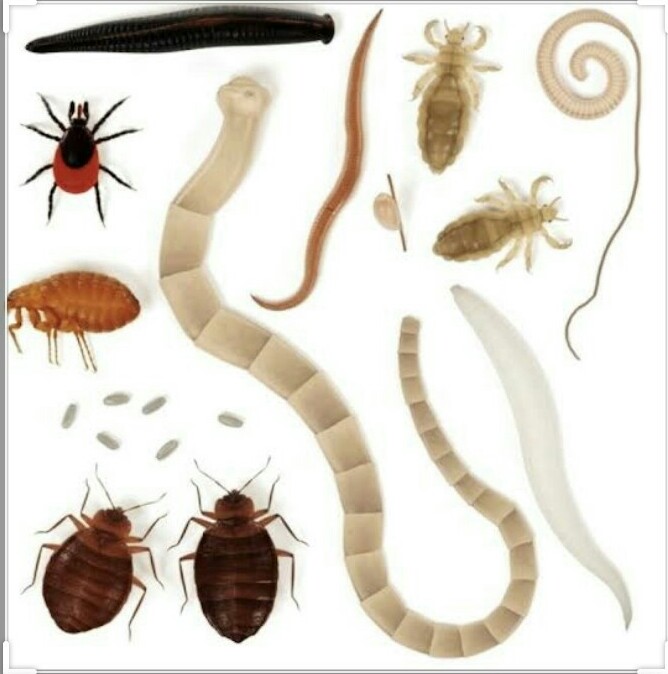
4. Parasitology:- Study of parasites.

5. Pharmacology:- The science which deal with drugs.

6. Photobiology:- Effect of light on various biological processes.

7. Phylogeny:- Evolutionary history of organism.

8. Physiotherapy:- Treatment of body defects through massage and exercise.

9. Radiology:- Science dealing with the effect of radiation on living beings.

10. Rhinology:- Study of nose and olfactory organs.

11. Sonography:- Study of ultrasound imaging.

12. Saurology:- Study of lizards.

13. Serology:- Study of serum, interaction of antigen and antibodies in the blood.

14. Sphygmology:- Study of pulse and arterial pressure.

15. Taxonomy:- Study of classification, nomenclature and identification of organism.

16. Telepathy:- Communication of thoughts or ideas from one mind to another without normal use of senses. In other words this is the process of mental contact.

17.Veterinary science:- Science of health care and treatment of domestic animals.

18. Holstein Friesian:- It is a non- indigenous breed of cow.
∆ Important terms of Biology:-

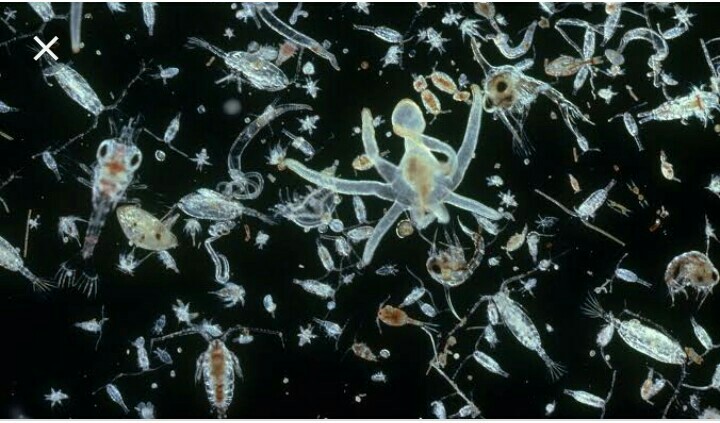
1. Phytoplankton:- Microscopic organism which passively float on the surface of water.

2. Parasites:- Organism which depends on the other living organisms for their food and shelter.

3. Poikilothermic:- Organism which change their body temperature according to surrounding. These are also called cold blooded animals.

4. Pigment:- A substance which absorb light of certain wavelength like chlorophyll found in green leaves.

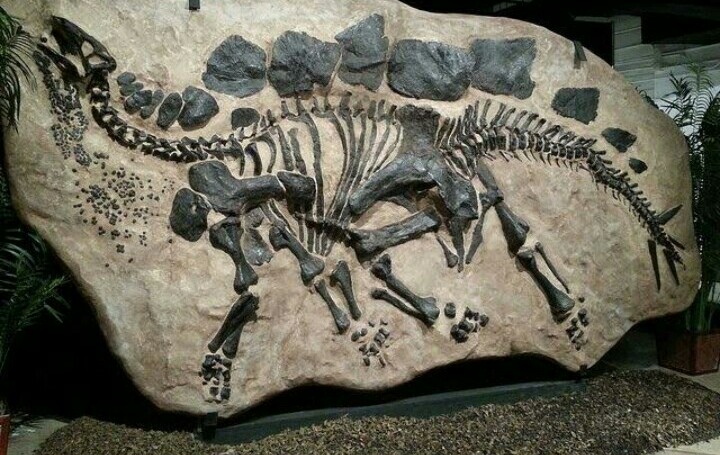
5. Paleontology:- Study of fossils.

6. Physiology:- Study of function of various system of organism.

7. Pathology:- Study of diseases, effects,causable agents and transmission of pathogens.

8. Pomology:- Study of fruit and fruit yielding plants.

9. Psychiatry:- Treatment of mental disorders.

10. Psychology:- Study of human mind and behaviour.

∆ Important terms of biology:- N to O

1. Nutrients :- Chemical substances taken as food which are necessary for various function, growth and health of living.

2. Nanotechnology:- The study ‘science of small’ is known as nanotechnology.

3. Neurology:- Study of nervous system.

4. Neonatology:- Study of new born.

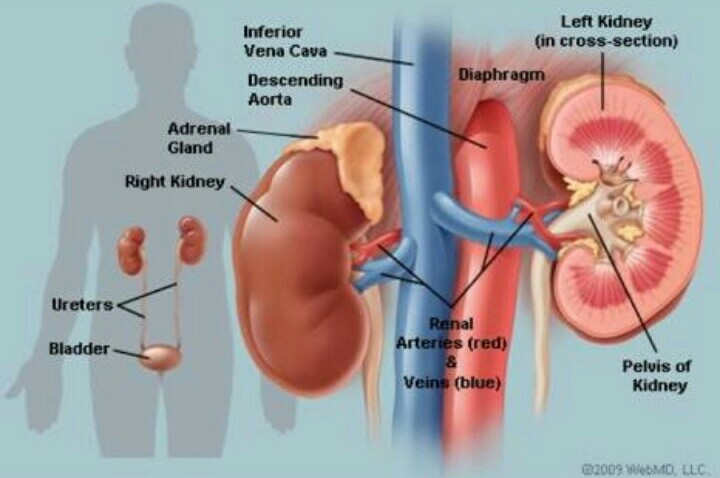
5. Nephrology:- Study of kidneys.

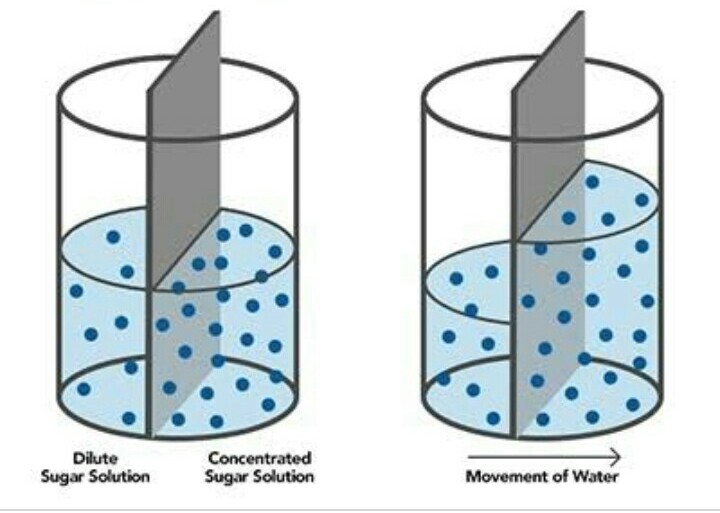
6. Osmosis:- Movement of water molecule across semi-permeable membrane from the region of its higher concentration to low concentrations .

7. Odontology:- Study of teeth and gum.

8. Osteology:- Study of bones.

9. Oncology:- Study of cancer and tumours.

10. Obstetrics:- Science related with care of pregnant women before,during and after child birth.

11. Ornithology:- Study of birds.

12. Ophthalmology:- Study of eyes.

13. Orthopaedics:- Diagnosis and repair of disorder of locomotery system.

∆ Biological trems :- k to M

1. Kalology:- Study of human beauty.

2. Metazoans:- All multicellular animals are called metazoans.

3. Morphology:- Study of external structure.

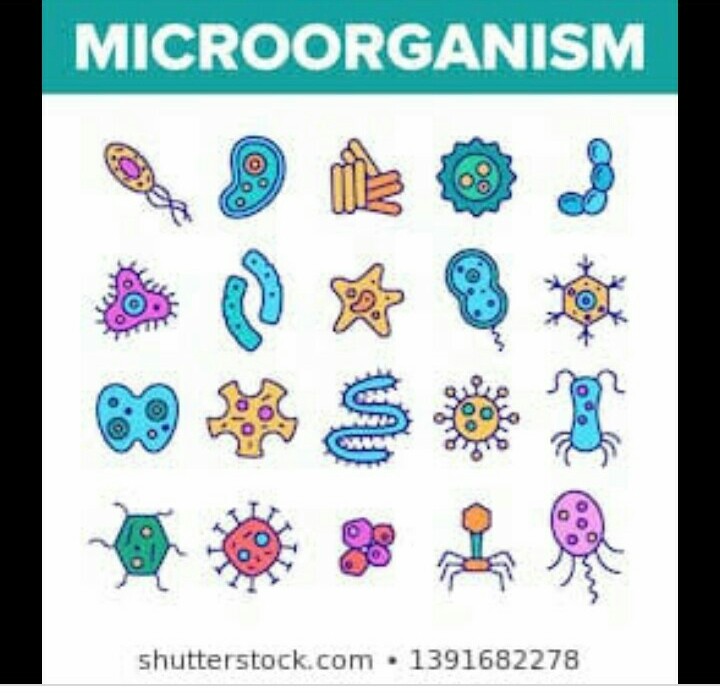
4. Microbiology:- Study of microorganisms such as virus, bacteria,algae,fungi and protozoa.

5. Molecular Biology:- Study of molecule found in the body of living organism.

6. Medicine:- Study of treating disease by drug.

7. Mammography:- Branch of science which deal test for breast cancer.

8. Mycology:- Study of fungi.

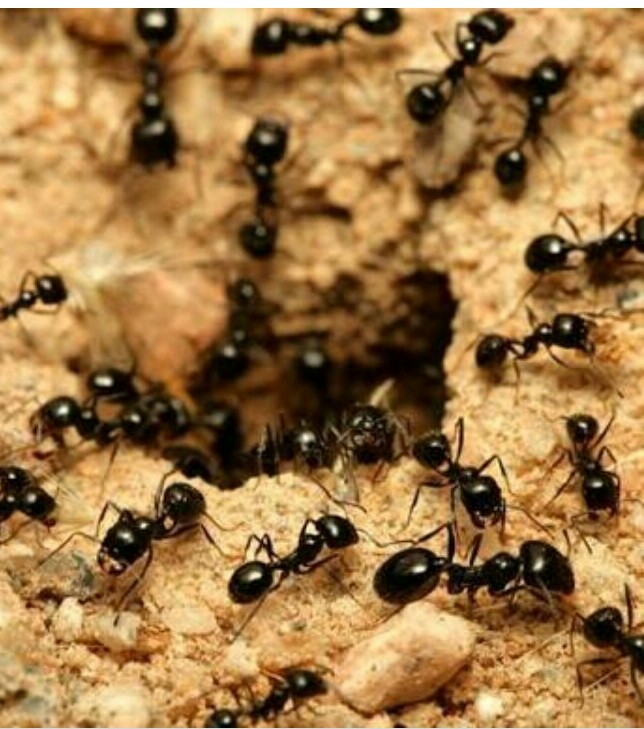
9. Myrmecology :- Study of ant is called Myrmecology.

10. Mixed farming:- Farming along with animals husbandry.

∆ Important terms of Biology: H to I

1. Hypertonic:- When two solution have different solute concentration.The solution which have higher concentration is called hypertonic.

2. Hypotonic:- In two solutions which have lower solute concentration is called hypotonic.

3. Homeothermic :- Animals who have constant body temperature are called homeothermic or warmblooded animals.

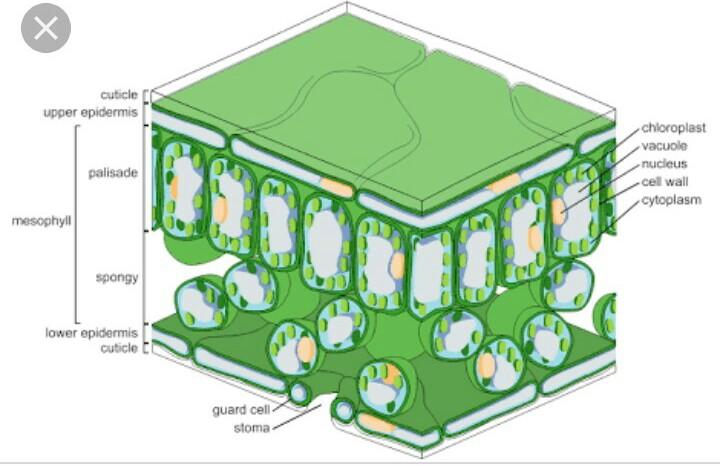
4. Histology:- Study of tissue organisation and their internal structure with the help of microscope .

Leaf tissue structure..

5. Hygiene:- Science taking care of health.

6. Hydroponics:- Study of growing plants without soil in water which contain nutrient.

7. Haematology:- Study of blood.

8. Hepatology:- Study of liver.

9. Ichthyology:- Study of fishes.

10. Immunology :- Study of immune system or resistance of body to disease .

∆ Important terms of biology:- F to G

1. Floriculture:- Cultivation of plant for flower.

2. Food technology :- Scientific processing, preservation, storage and transportation of food.

3. Forensic science :- Application of science for analysis of various fact and evidence to identify the cause or the person involve in criminal act.

4. Fishrey :- Catching, breeding, rearing and marketing of fishes.

5. Forestry:- Development and management of forest.

6. Fermantation:- Process of incomplete oxidation that occur in microbes and other cells in absence of oxygen,leading to the formation of ethyl alcohol.

7. Genetics:- Study of variation and transmission of heredity character from parents to their young ones.

8. Growth:- Permanent increase in weight, volume and size of an organism.

9. Genetic engineering:- Manipulation of gene in order to improve the organism .

10. Gynecology:- Study of female reproductive organ.

11. Gerontology:- Study of ageing.

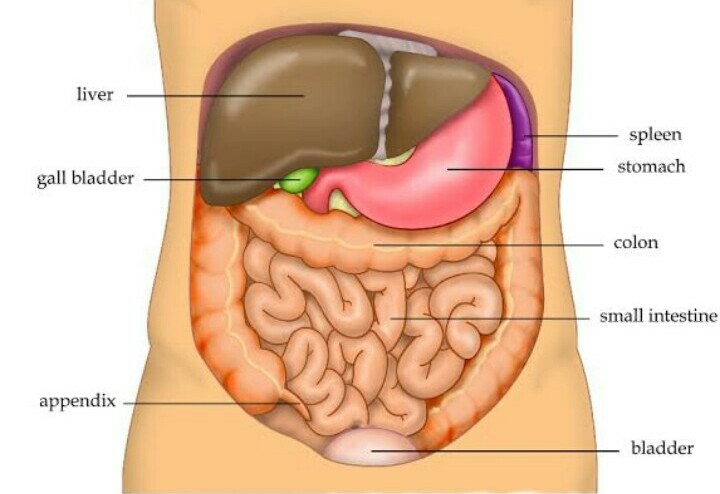
12. Gastroenterology:- Study of alimentary canal or stomach and intestine related disorders.

∆ Important terms of Biology : D to E

1. Diffusion: Random movement of molecule/ ion or gases from a region of higher concentration to lower concentration.

2. Dermatology: Study of skin.

Study of skin .

3. Dendrochronology: Counting and analysing annual growth rings of tree to know it’s age .

Rings of tree trunk .

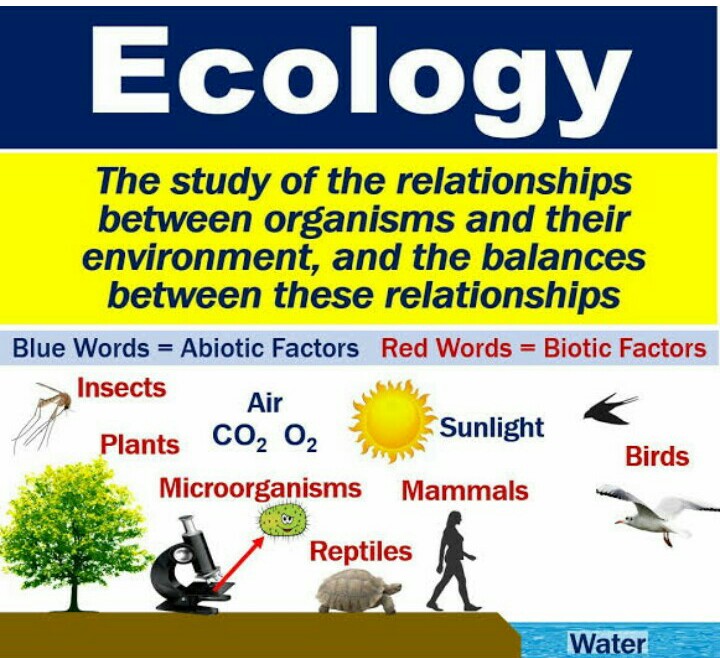
4. Ecology : Study of inter-relationship between living and their environment.

5. Evolution : Study of origin of life, variation and formation of new species.

Evolution of human

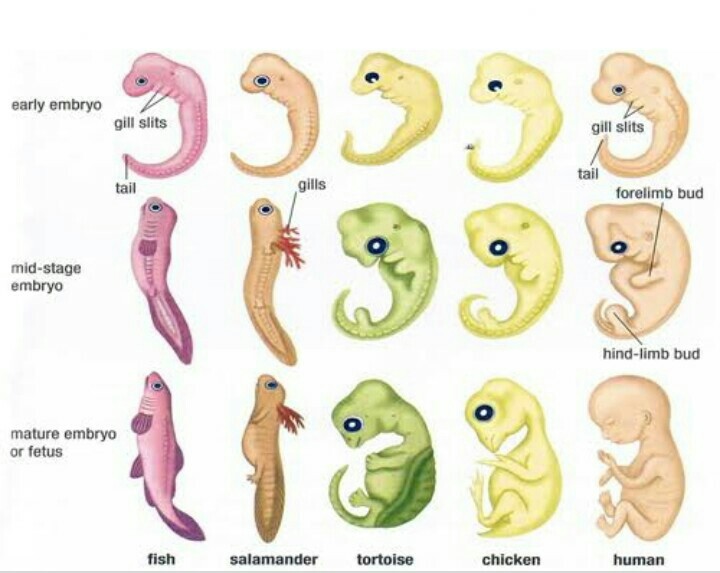
6. Embryology : Study of fertilization of egg , formation of zygote and development of embryo.

Devlopment of embryo.

7. Eugenics : Study of factors connected with the improvement of human race .

8. Euthenics: Study of environmental condition that contribute to the improvement of human beings.

9. Euphenics : Treatment of defective in heredity through genetics engineering.

10. Ethnology : Study of science dealing with different races of human.

11. Ethology : Study of animals behaviour in their natured habitats.

12. Etiology: Study of causative agent of disease.

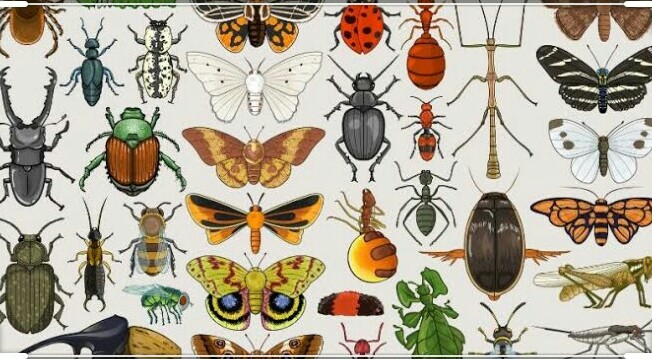
13. Entomology : Study of insects.

14. Exobiology : Study of possibility of life in space.

∆ Important terms of Biology.

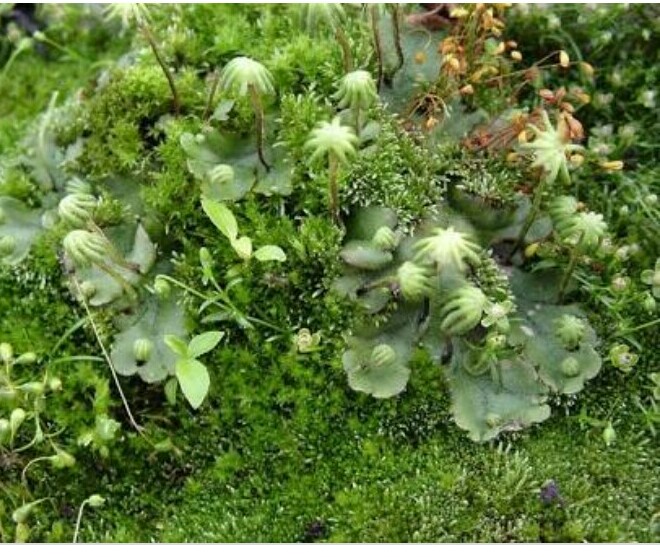
1. Bryology:-. Study of bryophytes.

Marchantia.

2. Biometrics:- Statical study of biological problem.

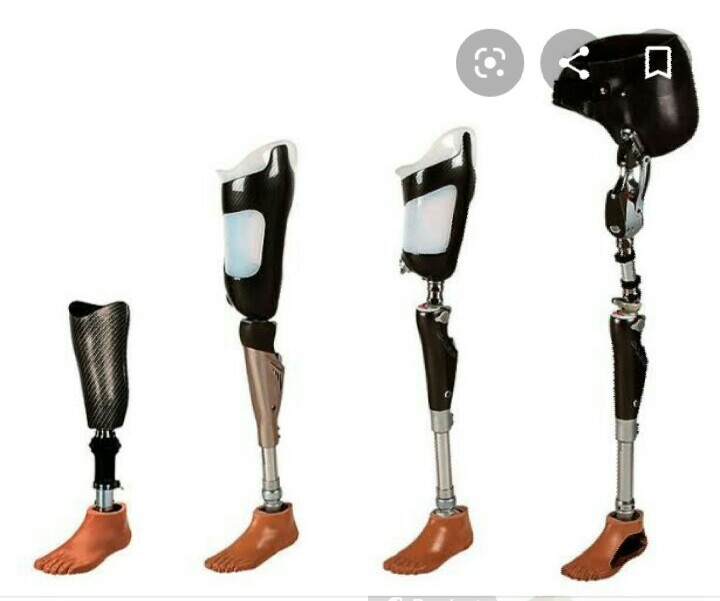
3. Biomedical engineering:- Production and designing of spare part for overcoming various defects in man.e.g. Artificial limbs, Iron lung, Pacemaker etc.

Artificial limbs.

4. Biotechnology :- Technology concerned with living beings for wilful manipulation on molecular level.

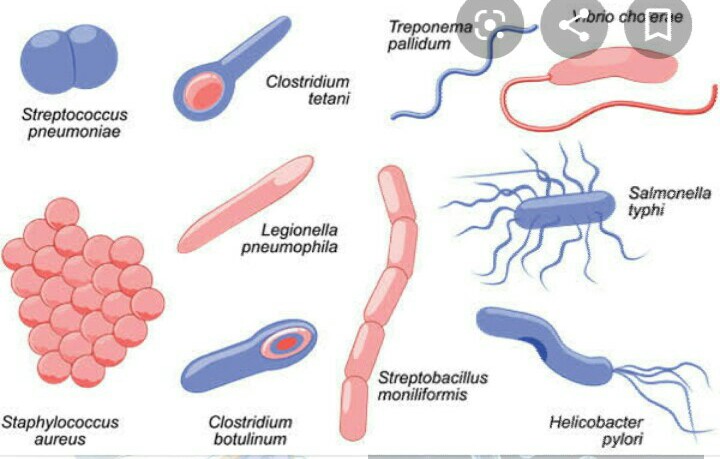
5. Bacteriology :– Study of bacteria.

Bacteria …

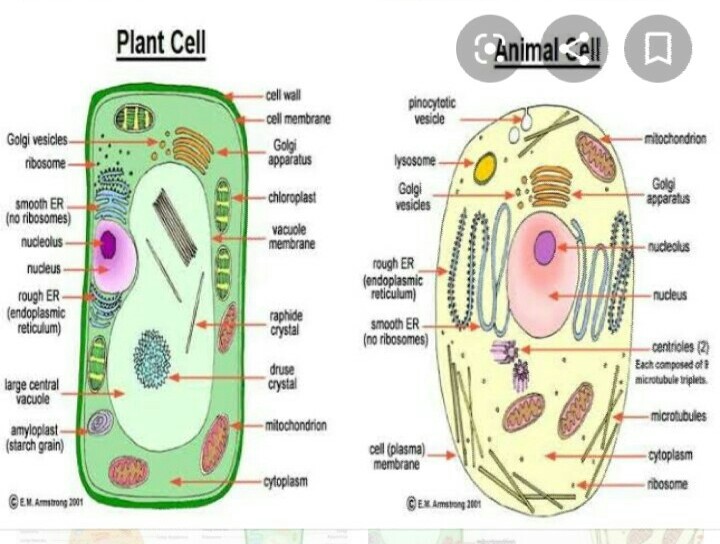
6. Cytology:- Study of cell.

Structure of animal and plant cell.

7. Cryobiology:- It is the study of effect of low temperature on organisms and their preservation.

8. Clone:- Clone are genetically identical individual in a population.

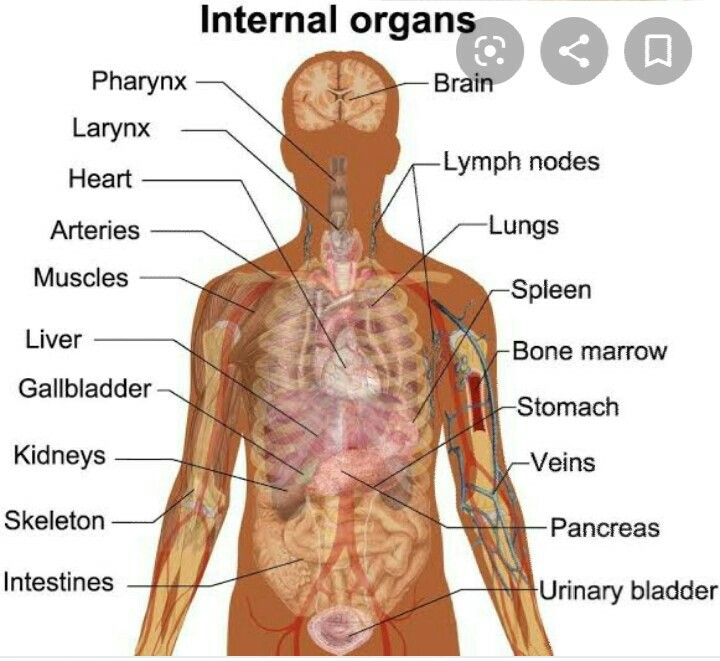
9. Cardiology:- Study of heart.

Human heart .

10. Demography:- Study of population.

Population.

∆ Some important terms of Biology:-

1. Anatomy:- Study of internal structure of organism.

2. Agrology:- Soil science dealing specially with production of crop.

3. Agronomy:- Science of soil management and production of crop.

4. Agrostology:- Study of grass.

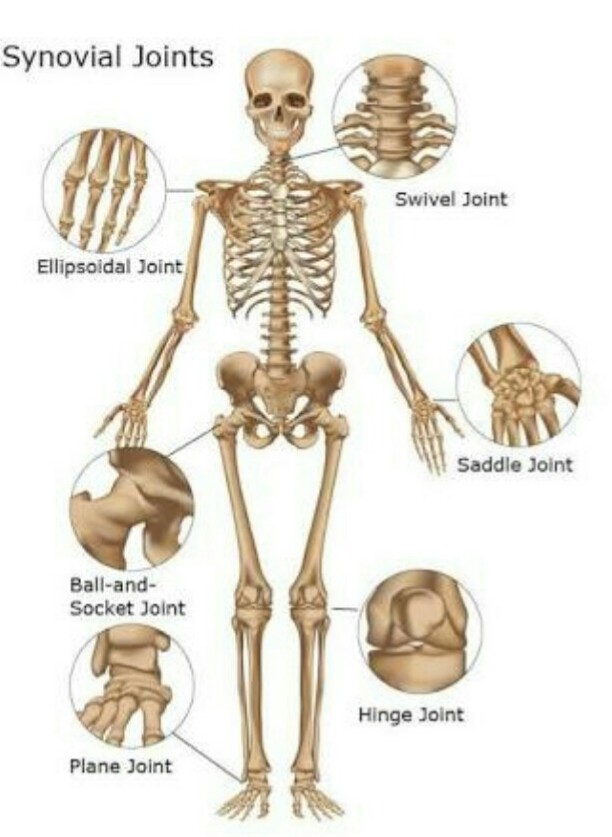
5. Arthrology:- Study of joints.

Study of joints..

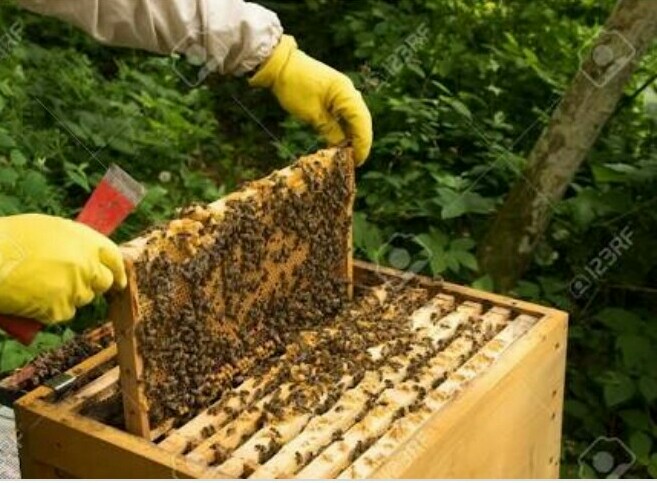
6. Apiculture:- Rearing of honey bee for honey.

Apiculture..

7. Anthropology:- Study of origin, development and relationship between the culture of past and present human.

8. Anthology:- Study of flower and flowering plants.

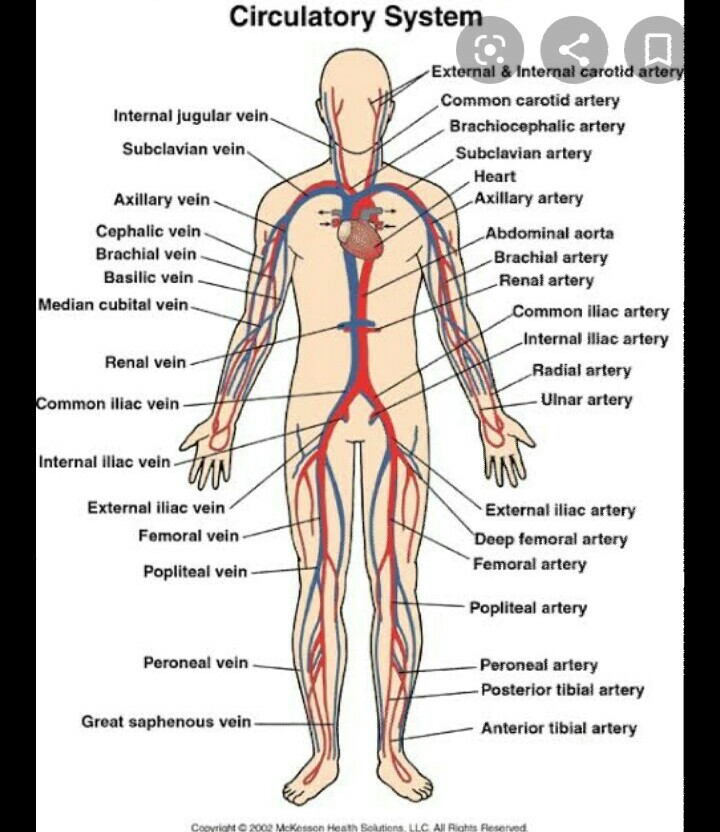
9. Angiology:- Study of blood vascular system including arteries and veins.

Blood vascular system.

10. Andrology :- Study of male reproductive organs.

Concept of Biodiversity:-

Biodiversity….

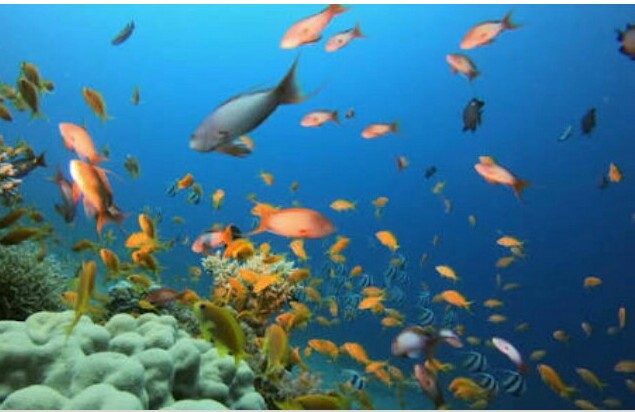
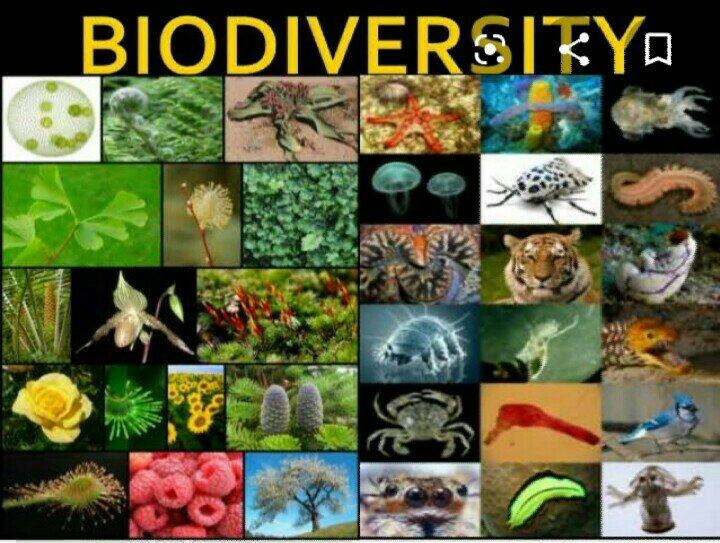
Biodiversity:- The term biological diversity or biodiversity refers to the variety of life forms and habitats found in a defined area. UNEP (1992) defines it “as the variety and variability of all animals, plants and microorganisms and the ecological complexes of which they are a part”.The term biodiversity was coined by W.G. Rosen (1985).

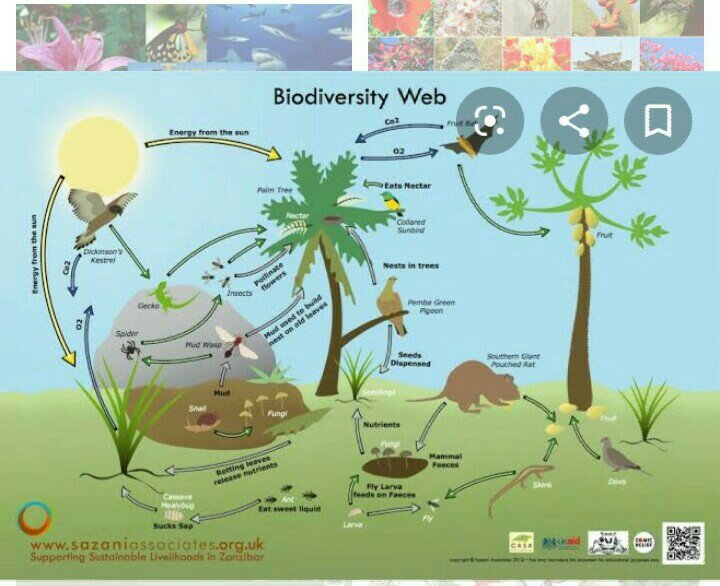
Biodiversity web .

Biodiversity is an umbrella term covering diversity at genetic ,species and ecosystem level. The conversation on biological diversity defines biodiversity as “The variability among living organisms from all sources including ,interalia terrestrial ,marine and other aquatic ecosystems and the ecological complexes of which they are a part; this includes diversity within species, between species and ecosystem.”In short it refers to the whole variety of life on earth.’ Biodiversity represents the totality of genes, species and ecosystem of region.

∆ Components of Biodiversity:- Biodiversity is said to have three levels ,or components.

1. Ecological (Ecosystem) diversity:- It is the diversity of ecological complexes or biotic communities found in a given area. Indian ecosystem diversity is described at each of the three levels (biogeographical region,biotic province and biome).Largest of the identified ecosystems has been the biogeographical zone. The vast area covered by biogeographical zone contains a wide diversity of smaller units called biotic provinces.

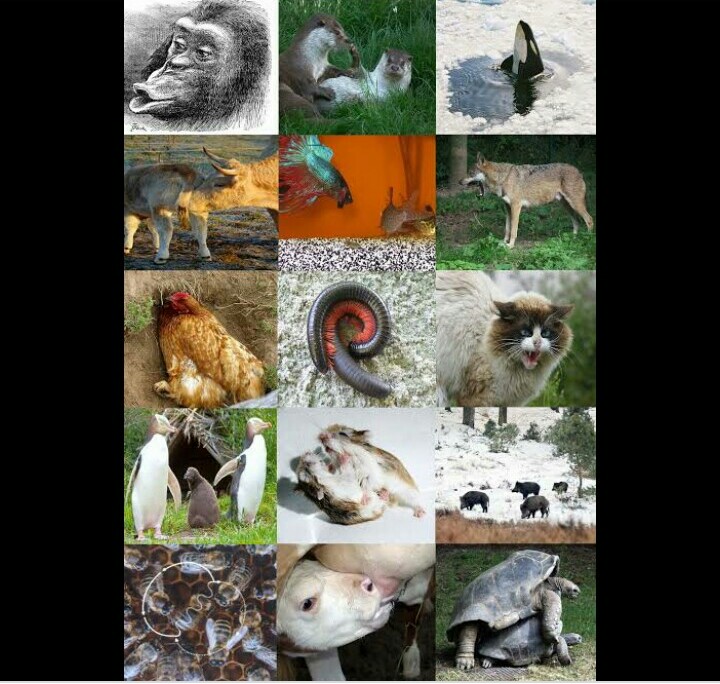
2. Species diversity:- Species diversity refers to veriety of species in a region. Number of species per unit area is called species richness. Eveness or equitability differ due to difference in number of individuals in an area. With increase in area , number of species increase. Species are the most commonly used unit describing biodiversity.

3. Genetic diversity:- The diversity of basic units of hereditary information (genes) which are passed down the generations, found within a species is genetic diversity. Genetic diversity refers to variation of genes within species. The genetic diversity within a species is expressed by many terms, subspecies, breeds, races, varieties and forms. The diversity arises from “variations in the sequence of four base pairs which as component of nucleic acids which constitute the genetic code.” Genetic information is stored in genes.

Design a site like this with WordPress.com
Get started